The National Disability Insurance Scheme (NDIS) is designed to empower individuals with disabilities to live more independent and fulfilling lives. A cornerstone of this empowerment is “community participation” – an NDIS support area focused on helping participants engage in social and recreational activities, build connections, and become active members of their communities. This isn’t just about having things to do; it’s about fostering a sense of belonging, developing new skills, and enhancing overall well-being.
What Exactly is NDIS Community Participation?
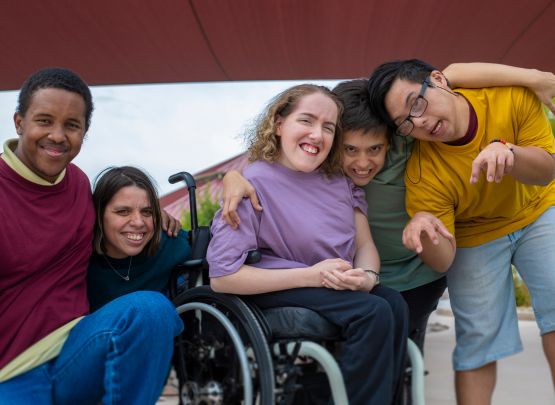
At its heart, NDIS community participation is about providing the necessary support for individuals with disabilities to take part in activities that interest them. This can range from joining a local sports club, attending art classes, volunteering, or simply being able to go out and meet friends. The NDIS recognises that being involved in community life is crucial for everyone, and it provides funding to help overcome barriers that might prevent participants from doing so.
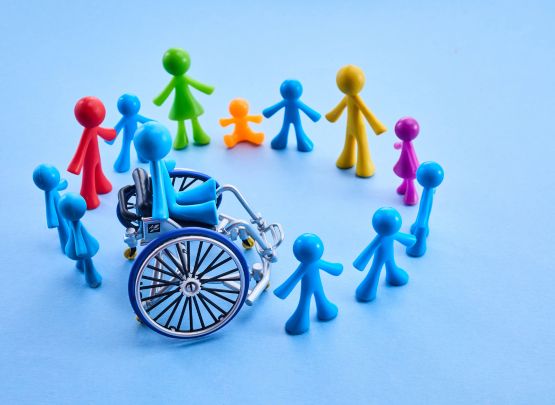
The aim is to move beyond traditional, often segregated, disability services towards a more inclusive model where individuals can access mainstream activities alongside everyone else, or participate in specialised programs if that’s their preference, and it aligns with their NDIS goals.
The Transformative Benefits of Getting Involved
The positive impacts of community participation are wide-ranging and deeply personal. Engaging in community activities can lead to:
- Improved Social Skills and Networks: Regular interaction helps in developing communication skills, forming friendships, and building a supportive social network. This can significantly reduce feelings of isolation.
- Enhanced Independence and Confidence: Trying new activities, learning new skills, and navigating different social environments boosts self-esteem and fosters a greater sense of autonomy.
- Better Mental and Physical Health: Active participation, whether in sports, hobbies, or social outings, contributes positively to both mental and physical well-being. It can reduce stress, provide emotional support, and encourage a more active lifestyle.
- Skill Development: Many community activities offer opportunities to learn new practical skills, from cooking and gardening to artistic talents or even pre-vocational skills that can open doors to further education or employment.
- A Greater Sense of Belonging: Feeling connected to one’s community and having meaningful roles to play is fundamental to a person’s identity and overall happiness.
What Kind of Activities Can Be Funded?
The NDIS can fund a wide array of activities under community participation, provided they are considered “reasonable and necessary” and align with the goals outlined in a participant’s NDIS plan.
Funding is typically allocated under two main support categories:
- Core Supports (Assistance with Social and Community Participation). This funding is flexible and can be used to pay for support workers to assist participants in attending activities. Examples include: Having a support worker accompany you to a concert, sporting event, or social club. Help to attend personal development courses or join a hobby group. Assistance with transport to visit the local library, go shopping, or attend community events.
- Capacity Building Supports (Increased Social and Community Participation). Funding aimed at helping participants build their skills and independence to participate more fully in the community. This might cover: Fees for art classes, sports coaching, or music lessons. Programs designed to develop social or communication skills. Tuition for courses that build skills and independence, such as cooking or budgeting workshops. Camps or group activities that have a capacity-building component.
The specific activities funded will depend on individual goals. It could be anything from joining a dance class, participating in a community garden, volunteering at an animal shelter.
Making the Most of Community Participation
To effectively utilise NDIS funding for community participation, it’s important to:
- Work with your NDIS planner or Local Area Coordinator (LAC) to ensure your NDIS plan reflects your interests.
- Research what’s available in your local area – community centres, clubs, and organisations often offer a variety of programs.
- Select a disability service provider who understands your needs, supports your choices, and can help you connect with suitable activities.
Conclusion: Connecting, Growing, and Thriving
NDIS community participation offers a pathway to a richer, more engaged life for individuals with disabilities. It’s about providing the opportunities and support needed to connect with others, develop new skills, pursue interests. By understanding how this NDIS support works and partnering with dedicated service providers, participants can unlock a world of possibilities.
For more information on how NDIS supports, including community participation, can be tailored to your individual needs.